If you searched best wine for beginners, you are probably not trying to become a sommelier by Friday. You want one or two bottles you can buy with confidence, open with dinner, and enjoy without second-guessing every sip.
That is exactly where most good wine habits begin. A smart first lineup is less about memorizing regions and more about choosing styles that are easy to like, easy to pair, and easy to buy again.
Why "Best Wine for Beginners" Is a High-Intent Search
People searching wine for beginners are usually ready to buy now. The goal is practical:
- Avoid spending on bottles they will not finish
- Find styles that pair with normal weeknight food
- Learn enough to order confidently next time
That is good news for local buyers in Reno. You can skip generic internet lists and choose bottles that match what is actually available now.
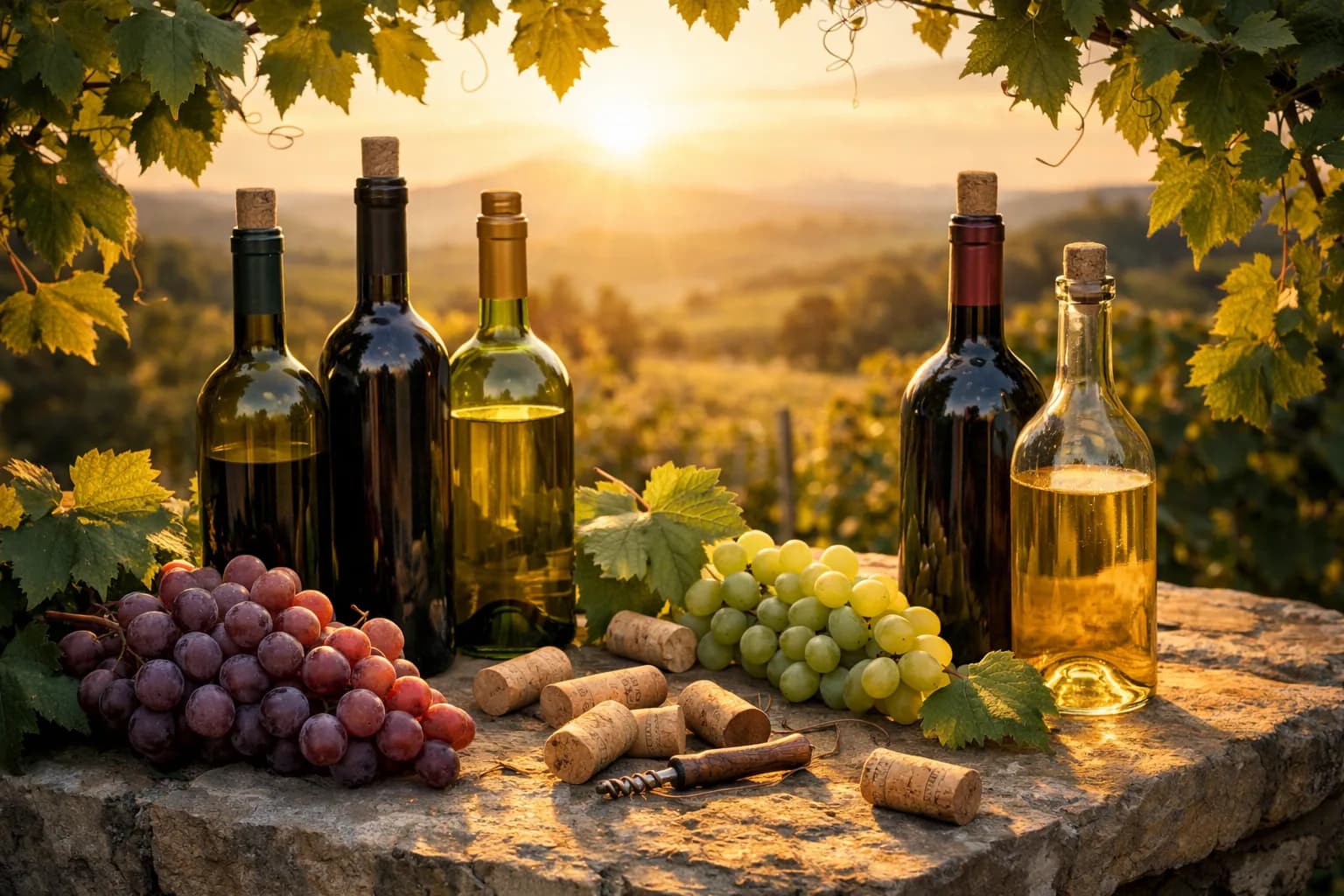
The 3-Bottle Starter Format That Works
If you only remember one thing from this guide, make it this: start with three different styles instead of three versions of the same thing.
1. A Crisp White
Choose a bright, dry white that stays refreshing with food. Good starter options often include Sauvignon Blanc or Pinot Grigio.
Why it works:
- High acidity keeps flavors clean
- Easy pairing with seafood, salads, and lighter dishes
- Great "reset" wine when your palate is new
2. A Soft, Medium-Bodied Red
Look for a red with moderate tannin and clean fruit. Pinot Noir and approachable red blends are usually strong entry points.
Why it works:
- Less astringent than heavier reds
- Pairs with roast chicken, pizza, burgers, and charcuterie
- Helps new drinkers understand red wine structure without fatigue
3. A Flexible "House Favorite" Bottle
This is your repeat-buy candidate: the bottle you can open with guests when you do not know everyone’s preferences.
What to prioritize:
- Balanced acidity
- Moderate alcohol
- Food versatility over intensity
A practical first target is one bottle each around three price tiers: value, mid-range, and one step-up bottle for comparison.
What Wine Beginners Should Order with Common Meals
Most pairing stress disappears when you match wine by weight instead of complicated rules.
- Fish tacos, citrus salads, or goat cheese: crisp whites
- Flatbread, mushroom dishes, roast chicken: Pinot Noir or lighter reds
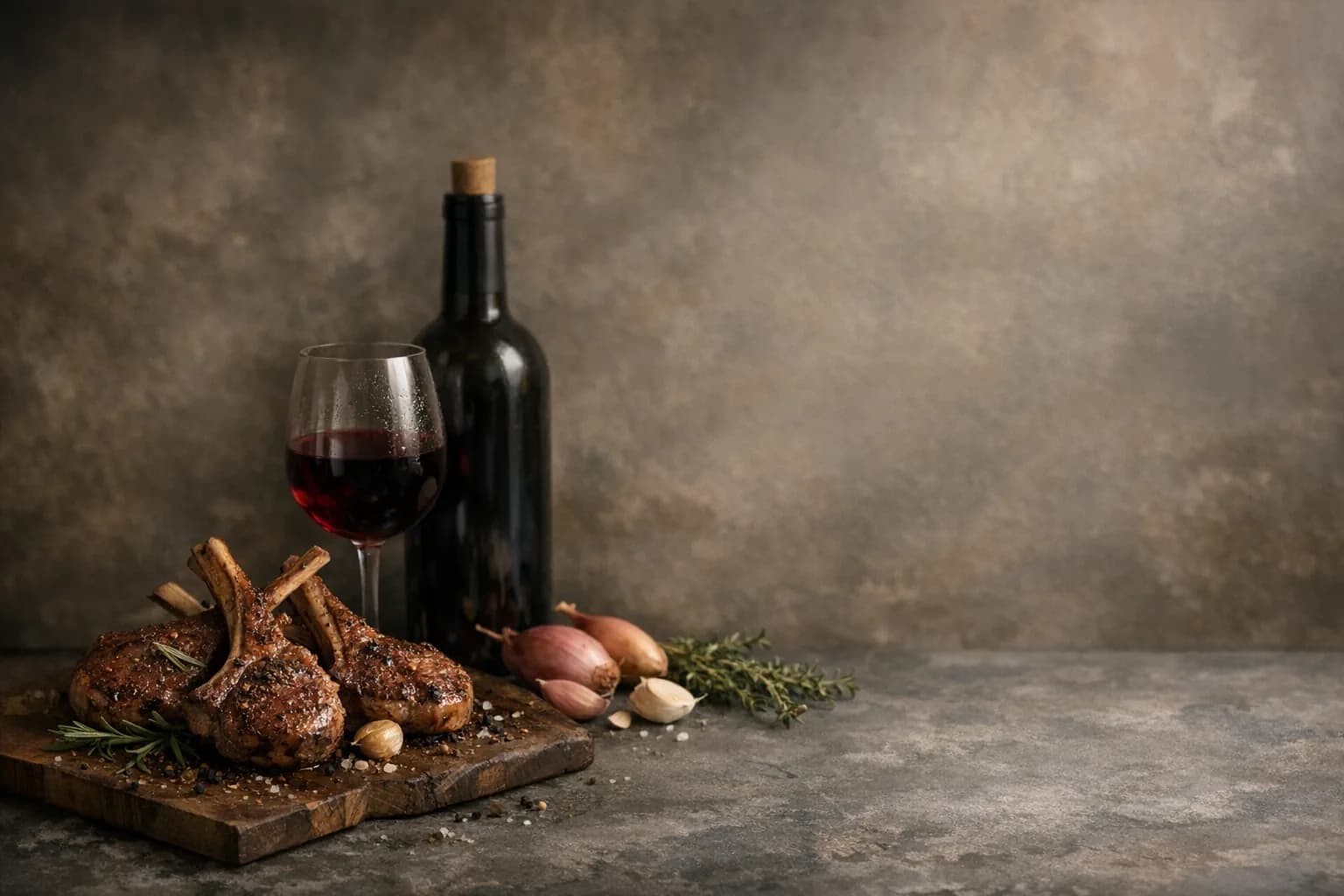
- Steak, braised short ribs, aged cheeses: fuller reds
If your table has mixed food, default to the medium-bodied red. It is usually the safest middle ground.
A Simple 20-Minute At-Home Tasting for Beginners
You do not need special equipment. One evening and two people is enough.
- Chill the white properly; serve reds slightly below room temperature.
- Taste each wine in this order: white, lighter red, fuller red.
- For each pour, answer only three questions:
- Do I like this now?
- Would I buy this again at this price?
- What food would make this better?
- Save a half glass of each and re-taste after food.
This structure teaches your palate faster than reading terminology guides.
Common Beginner Mistakes (and Better Moves)
Mistake 1: Buying by label design alone
Better move: pick by style goal first (crisp white, soft red, structured red), then choose label.
Mistake 2: Starting too heavy
Better move: build from lighter to fuller wines so your palate adjusts gradually.
Mistake 3: Ignoring temperature
Better move: serve white wines cold but not icy; let reds breathe briefly before pouring.
Mistake 4: Trying to impress instead of learning
Better move: choose drinkable bottles you can re-buy. Repetition builds confidence.
Reno Strategy: Combine Retail Buying with Live Tastings
The fastest way to improve is to connect your home bottles with one guided tasting each month. Buy what you enjoyed at home, then use tastings to test one new style at a time.
That rhythm works because it removes guesswork:
- Shop for reliable weeknight bottles
- Use events for exploration and comparison
- Return to the shop with clearer preferences and less risk
Over a few months, your "beginner" list becomes a personal short list you can trust for dinners, gifts, and weekends.
Final Takeaway
The best wine for beginners is not a single grape or a single price point. It is a repeatable buying system: one crisp white, one soft red, and one flexible bottle you can confidently pour for almost anyone.
Start there, track what you actually enjoy, and use local tastings to refine from experience. You will spend less, waste fewer bottles, and build better instincts every time you shop.